Whats the best paint protection
November 23, 2024
November 23, 2024
What's the best coating for paint?
The Future of Car Protection: Ceramic and Graphene Coatings
As car enthusiasts and everyday drivers alike seek ways to protect their vehicles, two advanced technologies have emerged as frontrunners in the world of automotive detailing: ceramic and graphene coatings. Both offer exceptional protection and enhance the appearance of your vehicle, but they work in different ways. In this blog post, we'll explore the benefits of each coating, how they differ, and which option might be best for your car.
What are Ceramic Coatings?
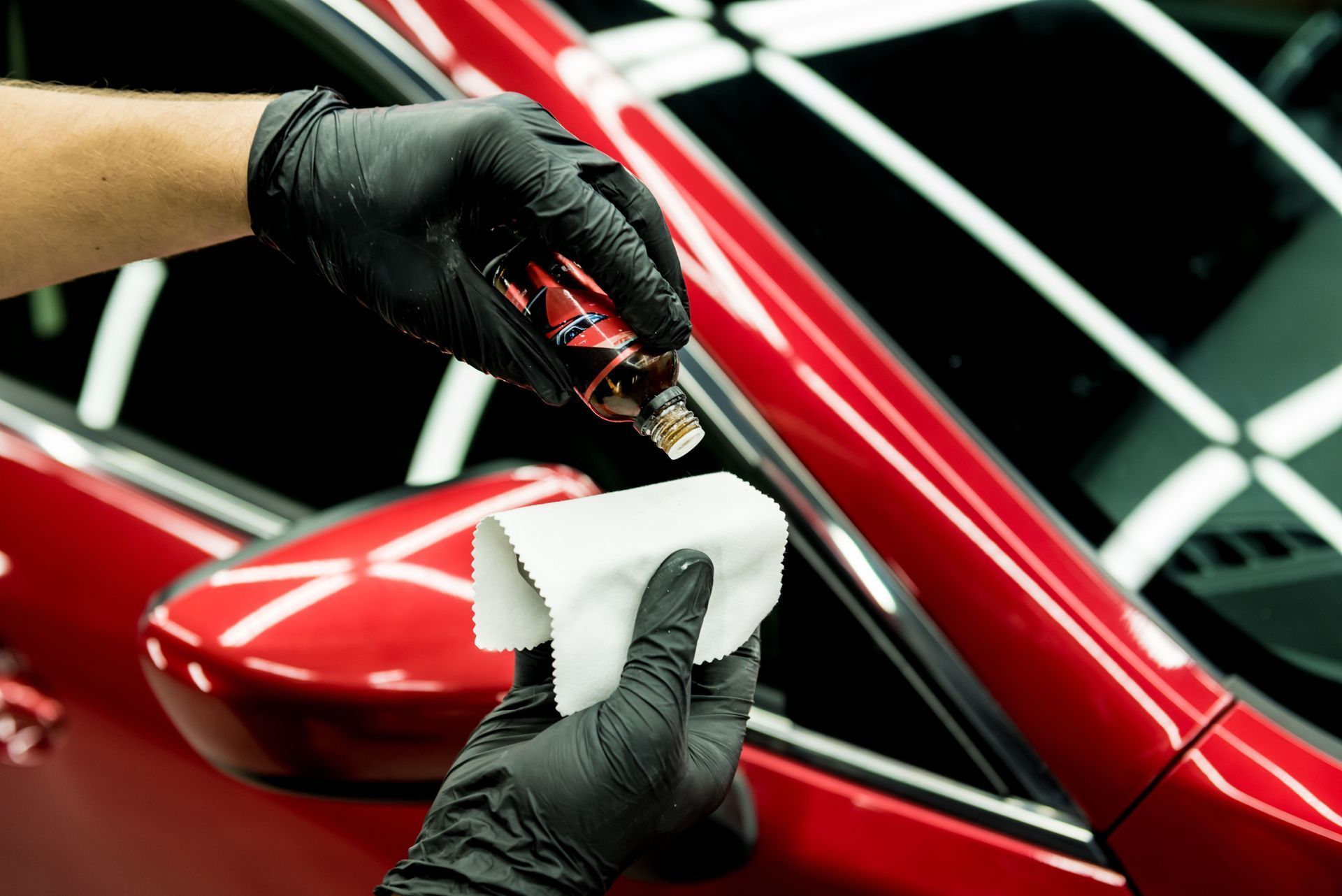
Ceramic coatings are liquid polymers applied to the exterior of a vehicle. They bond with the factory paint to create a protective layer that enhances shine and provides a durable barrier against environmental contaminants.
Benefits of Ceramic Coatings
Durability: Ceramic coatings are highly resistant to scratches, chemicals, and UV rays. Once cured, they can last for several years, making them a long-term solution for car protection.
Hydrophobic Properties: These coatings create a surface that repels water, making it harder for dirt, grime, and other contaminants to adhere. This means less time spent washing your car and easier maintenance.
Enhanced Appearance: Ceramic coatings provide a deep, glossy finish that can make your vehicle look brand new. They enhance the color and depth of the paint, giving it a showroom shine.
UV Protection: By blocking harmful UV rays, ceramic coatings help prevent paint fading and oxidation, keeping your vehicle looking vibrant over time.
What are Graphene Coatings?
Graphene coatings are a newer technology that incorporates graphene, a single layer of carbon atoms arranged in a two-dimensional lattice. This innovative material offers remarkable strength and durability, making it an exciting option for car protection.
Benefits of Graphene Coatings
Incredible Strength: Graphene coatings are known for their outstanding durability and toughness. They can resist scratches and other surface damage more effectively than traditional ceramic coatings.
Superior Hydrophobicity: Graphene coatings provide even better water-repelling properties compared to ceramic coatings. This means even less dirt and grime sticks to the surface, leading to easier cleaning.
Heat Resistance: Graphene has excellent thermal conductivity, allowing it to withstand higher temperatures. This can help protect your vehicle’s paint in extreme weather conditions.
Longevity: While both coatings offer long-lasting protection, graphene coatings can often last longer due to their robust nature, sometimes exceeding five years with proper maintenance.
Comparing Ceramic and Graphene Coatings
While both coatings offer significant benefits, there are key differences to consider:
Application Process: Ceramic coatings require a careful application process, including surface preparation, while graphene coatings may offer a simpler application with fewer steps.
Hydrophobicity: Graphene coatings generally provide superior hydrophobic properties, making them even more effective at repelling water and contaminants.
Cost: Ceramic coatings tend to be more affordable than graphene coatings, which can be pricier due to the advanced technology and materials involved.
Durability: While both coatings are durable, graphene’s strength can offer an extra layer of protection against scratches and damage.
Which Option is Right for You?
Choosing between ceramic and graphene coatings depends on your specific needs and budget. If you’re looking for proven, effective protection at a lower cost, ceramic coatings are an excellent choice. However, if you want cutting-edge technology and superior durability—and don’t mind a higher price point—graphene coatings may be the way to go.
Conclusion
Both ceramic and graphene coatings represent significant advancements in car protection technology. By understanding their benefits and differences, you can make an informed decision on which coating is best for your vehicle. Whether you choose the tried-and-true durability of ceramic or the innovative strength of graphene, investing in a high-quality coating will keep your car looking pristine for years to come. Ready to enhance your vehicle's protection? Consult with a professional to find the perfect solution for your needs!


January 6, 2025
Why You Should Consider Ceramic and Graphene Coatings for Your Car in Winter When you think of vehicle protection products, you might automatically associate them with hot summer months — protecting your car from sun damage, heat, and those harsh UV rays. However, the colder, harsher winter months are just as important for maintaining your car’s appearance and condition. In fact, the benefits of applying both ceramic and graphene coatings during the winter season can be game-changing. Here’s why these advanced coatings are worth considering for your vehicle, no matter the time of year. 1. Protection Against Road Salt and Harsh Chemicals Winter brings a host of challenges, especially in areas where roads are salted or treated with other chemicals to prevent ice buildup. These harsh substances can cause corrosion and damage to your vehicle’s paintwork. While you may not always notice the damage immediately, over time, salt and chemicals can eat away at your car’s surface, leading to rust and deterioration. Ceramic and graphene coatings create a strong hydrophobic layer on your vehicle's surface, making it far more resistant to these corrosive elements. The coatings act as a protective barrier, preventing salt, dirt, and chemical buildup from sticking to your paint and wheels. When water, snow, and slush hit your car’s surface, they’ll bead off easily, minimizing the risk of long-term damage from these winter elements. 2. Enhanced Hydrophobic Properties for Snow and Rain Driving in winter often means dealing with wet, snowy, or rainy conditions. This can not only reduce visibility, but the accumulation of water on your car’s surface can also create challenges for cleaning. This is where the hydrophobic nature of ceramic and graphene coatings really shines. Both coatings repel water, causing it to bead up and roll off the surface. This is a huge advantage during winter months when wet conditions can lead to streaks, dirt buildup, and a constant need to clean your car. With ceramic and graphene coatings, water won’t stick as easily, keeping your car looking cleaner for longer and making the winter washings a breeze. This means less effort spent scrubbing and more time enjoying the drive. 3. Superior Scratch and Stain Resistance Winter driving often comes with challenges like ice scraping, snow accumulation, and dirt, all of which can lead to surface scratches and stains. Whether it's the ice scraper you use on your windshield or debris being kicked up from the road, your car’s finish is constantly at risk. Both ceramic and graphene coatings provide a layer of protection that strengthens the vehicle’s paint. The coatings form a tough, durable shield against minor abrasions, reducing the likelihood of scratching when cleaning your car or when snow and ice come into contact with the surface. This added protection helps maintain the sleek, shiny finish of your car, even after exposure to harsh winter elements. 4. Improved Visibility and Driving Safety One often-overlooked benefit of both ceramic and graphene coatings in the winter is their impact on your vehicle's windshield and windows. The hydrophobic properties of these coatings don’t just work on your car’s body — they also apply to your windows. When your windshield is coated with a hydrophobic layer, snow, ice, and rain slide off more easily, which improves visibility during winter driving. Furthermore, with less water and ice buildup, your windshield wipers will have to work less hard to clear away moisture, reducing wear on the wipers and preventing streaks. This means safer driving, as you’ll have a clearer view of the road in all types of weather. 5. Easier Cleaning and Maintenance One of the most tedious tasks of winter car ownership is dealing with the aftermath of snow, slush, and road grime. Cars can quickly become dirty, making frequent washes necessary. However, both ceramic and graphene coatings reduce the adhesion of dirt and contaminants to your vehicle’s surface, meaning it stays cleaner longer. These coatings create a slick surface that prevents dirt, grime, and even bird droppings from sticking. In the winter, this translates to fewer washes and less scrubbing to keep your car looking its best. If snow or mud does stick, it can be easily rinsed off without too much effort. This makes the overall maintenance of your car much more manageable, even in the harshest conditions. 6. Long-Term Durability and Cost Savings While the initial cost of applying ceramic or graphene coatings might seem like a hefty investment, the long-term benefits far outweigh the price. These coatings last for months (or even years, depending on the type) and provide lasting protection against the elements. By keeping your car protected from salt, moisture, and dirt, you’ll reduce the need for frequent paint touch-ups, waxing, and detailing, ultimately saving money on maintenance and repairs. Additionally, the coatings help maintain the resale value of your vehicle by keeping the exterior in pristine condition. The longer your car stays looking new, the better its value when it comes time to trade it in or sell. 7. Resistance to UV Damage (Even in Winter) While winter sun might not seem as intense as summer’s, it still emits harmful UV rays that can cause paint to fade and degrade over time. This is especially true in areas with snow, where UV rays can be reflected off the surface and intensify the impact on your vehicle. Ceramic and graphene coatings provide a strong shield against UV rays, helping prevent your car’s paint from oxidizing, fading, or becoming dull over time. The protection these coatings offer ensures your vehicle’s finish remains vibrant and glossy throughout the winter, preserving that “new car” look much longer. Conclusion: Winter Is the Perfect Time for Ceramic and Graphene Coatings Winter driving presents a unique set of challenges, from snow and ice to salt and road grime. However, with the protection offered by ceramic and graphene coatings, your vehicle can endure these harsh conditions while maintaining its appearance and performance. These advanced coatings provide superior protection against corrosion, improve visibility, reduce cleaning time, and extend the life of your car’s paintwork. Rather than waiting for the warmer months, consider getting a ceramic or graphene coating in the winter — your car will thank you for it, and you’ll enjoy a cleaner, safer, and better-looking ride no matter what the season throws at you.